

Ingredient highlight: Moroccan Argan Oil
If you've ever looked into luxurious, glow-boosting skincare, you've likely come across argan oil. Often called ''liquid gold'', this powerful botanical has been used for centuries to nourish, protect, and restore the skin.
But what exactly makes argan oil so special? And is it truly worth the hype?
What is argan oil?
Argan oil is a plant oil extracted from the kernels of the Argania spinosa tree, native to Morocco. For generations, Moroccan woman have used it for both culinary and cosmetic purposes because of its intense nourishing and protective properties.
In skincare, argan oil is prized for its unique balance of:
- Essential fatty acids;
- Vitamin E (tocopherol)
- Antioxidants;
- Anti-inflammatory compounds.
This combination makes it deeply moisturizing without feeling heavy or greasy.
Benefits of argan oil for skin
Argan oil is rich in linoleic acid and oleic acid, which help strengthen the skin barrier and reduce moisture loss. Unlike heavier oils, it absorbs quickly and provides deep hydration without clogging pores.
It's especially beneficial if you have dry or dehydrated skin/lips, struggle with a damaged skin barrier, or experience flakiness or tightness.
Argan oil also supports a healthy skin barrier. Your skin barrier protects you from environmental stressors, bacteria, and moisture loss. When damaged, you may experience irritation, redness, or breakouts. The fatty acids in argan oil help reinforce the lipid layer, reduce transepidermal water loss, and improve overall health.
If you're looking for long-term skin health (not just quick fixes), barrier support is essential.
Argan oil naturally contains high levels of vitamin E, an antioxidant for anti-aging that helps protect against free radical damage, improve skin elasticity, reduce the appearance of fine lines, and support a smoother skin texture.
It also has natural anti-inflammatory properties, which makes it suitable for sensitive skin, mild acne-prone skin, and redness or irritated skin. It soothes the skin while restoring balance, without harsh ingredients.
It may seem counterintuitive, but argan oil can actually help balance oily skin. Because argan oil contains linoleic acid, it can help regulate sebum production and reduce excess shine over time.
When your skin is properly moisturized, it produces less oil to compensate.
Argan oil for lips
Because argan oil is deeply nourishing and rich in vitamin E, it's also an excellent ingredient in lip balms. It helps repair cracked lips, lock in moisture, protect against dryness, and create a soft, smooth finish. It is a powerful addition to lip care formulations.
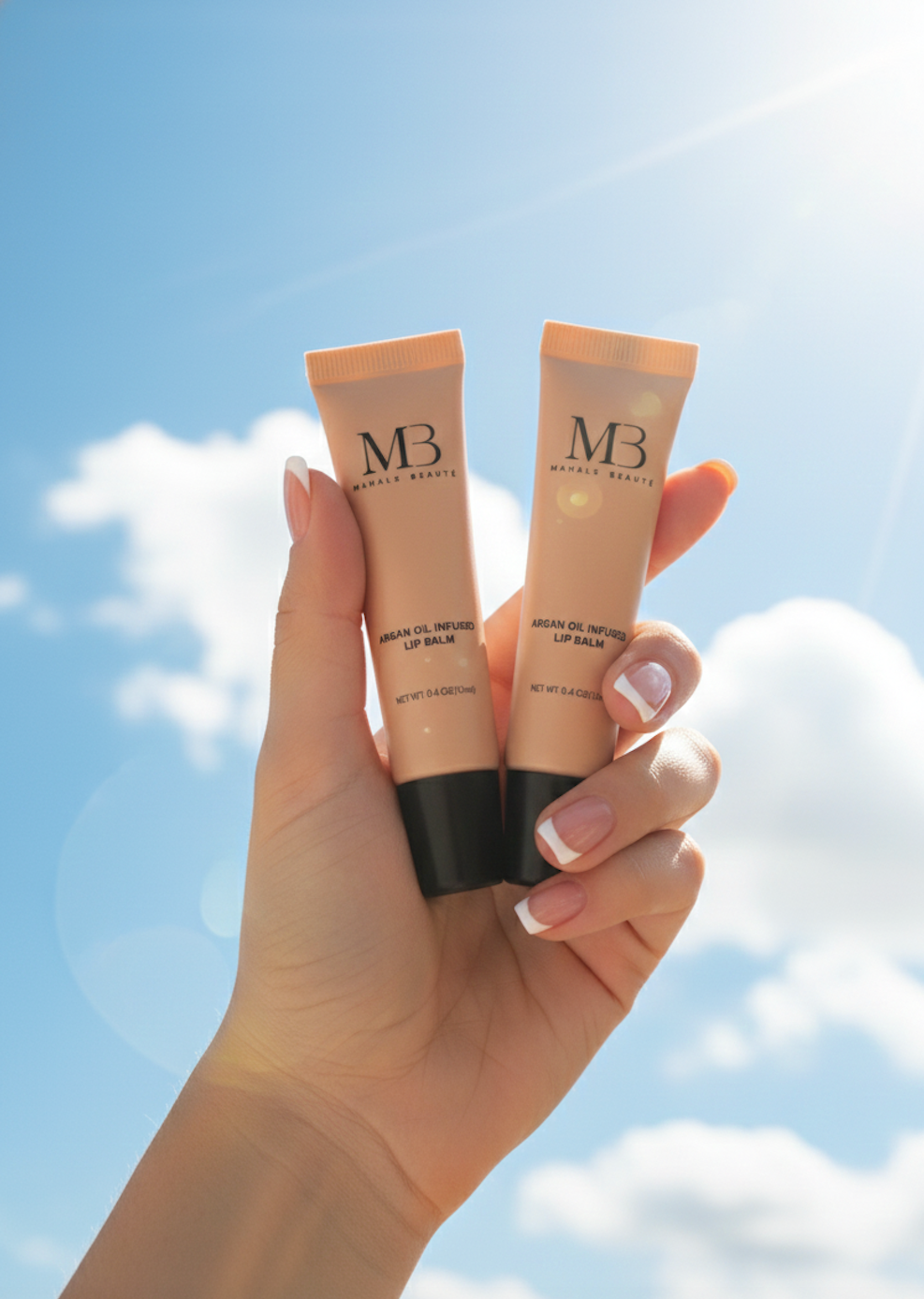
That's exactly why we created our Argan Oil Infused Lip Balm, a nourishing formula designed to restore, protect, and soften your lips with the power of this golden ingredient. Lightweight yet deeply hydrating, it melts into the lips and supports long-lasting moisture without feeling heavy or sticky.
Experience it yourself! Try our Argan Oil Infused Lip Balm

How to use argan oil in your skincare routine
Here are simple ways to use argan oil:
- Use it as a moisturizer: apply 2-3 drops on damp skin after cleansing;
- As a nighttime treatment: use as the final step in your routine to seal hydration in;
- For your lips: Apply a small amount before bed for overnight repair.
Will you include argan oil in your skincare routine?
Read more

Want younger-looking, healthier skin naturally? Discover 5 powerful anti-aging foods that boost collagen, improve skin elasticity, reduce inflammation, and promote a glow. Learn how simple nutritio...
This ultimate beginner's guide breaks down which ingredients to avoid and which ones truly support your health and skin. Clean skincare doesn't have to be confusing. This guide makes it simple.